Oolong Tea
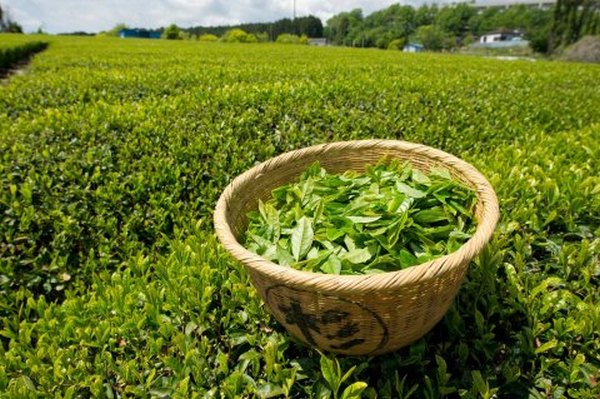
Oolong (乌龙 wūlóng) is a traditional Chinese tea produced through a process including withering the plant under strong sun and oxidation before curling and twisting. The degree of oxidation can range from 8-85%, depending on the variety and production style. Oolong is especially popular with tea connoisseurs of south China and Chinese expatriates in Southeast Asia, as is the Fujian preparation process known as the Gongfu tea ceremony.
Several types of oolong tea are among the most famous Chinese teas. For example, Da Hong Pao tea.
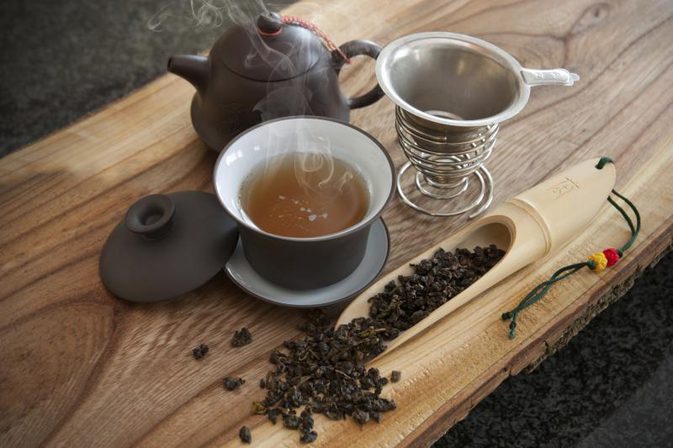
For steeping, generally, 3 grams of tea per 200 ml of water are used. Oolong teas should be prepared with 90 to 96 °C water (not boiling). High quality oolong can be steeped several times from the same leaves and it improves with rebrewing: it is common to steep the same leaves three to five times, the third or fourth steeping usually being considered the best.