White Tea
White tea may refer to one of several styles of tea which generally feature young or minimally processed leaves of the Camellia sinensis plant. There is no generally accepted definition of white tea and very little international agreement, but most definitions agree, that white tea is not rolled or oxidized, resulting in a flavour characterized as "lighter" than green or traditional black teas.
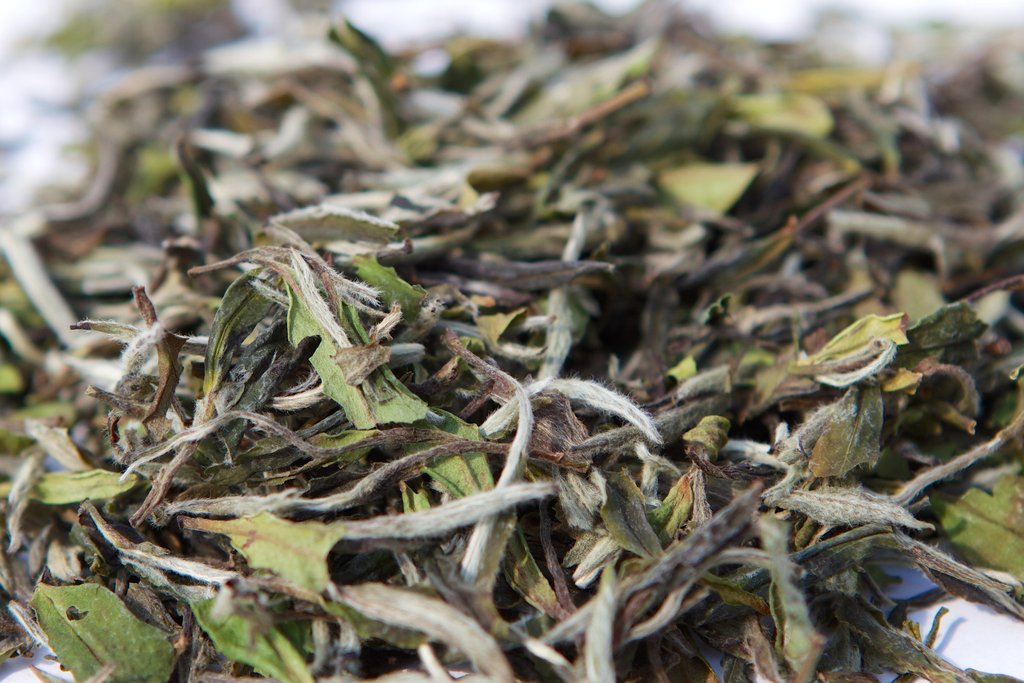
In spite of its name, brewed white tea is pale yellow. Its name derives from the fine silvery-white hairs on the unopened buds of the tea plant, which give the plant a whitish appearance. It is harvested primarily in China, mostly in the Fujian province.
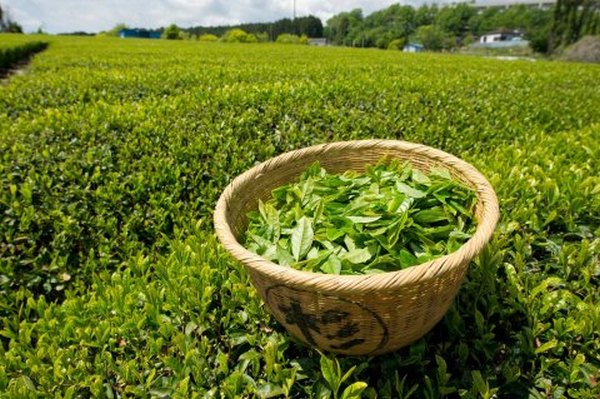
The base process for manufacturing white tea is as follows: Fresh tea leaf → withering → drying (air drying, solar drying or mechanical drying) → white tea. Selection of raw material in white tea manufacture is extremely stringent; only the plucking of young tea leaves with much fine hair can produce good-quality white tea of a high pekoe (grading) value.
Famous white tea types includes: Bai Mudan (white peony), Baihao Yinzhen, Shoumei tea.